




Craftsmanship & Commitment
TO MAKE SOMETHING
TRULY WELL IS TO
MAKE IT WITH CARE
FOR EVERYTHING
Throughout history, the greatest creations have never been the result of speed, but of care. True luxury is born from time, from respect for precious materials, and from the wisdom to favor what is lasting over what is merely convenient. At Stockman, we have held that belief since 1867. And over time, we have come to understand that it extends further than the object itself.
To shape a form that serves the world of couture is to honor a tradition of excellence. To do so while respecting the people, materials, and natural resources that make such excellence possible is to honor something greater.
We believe that every object carries a story long before it reaches the atelier. A story of land and craftsmanship, of materials transformed by skilled hands, of knowledge passed from one generation to the next. True luxury recognizes this story. It understands that beauty is not separate from responsibility, but enriched by it.
“For what endures through time is rarely the product of abundance. It is the result of care.”
Heritage
THE WISDOM
OF TIME
What is made with care never grows old.
It endures.
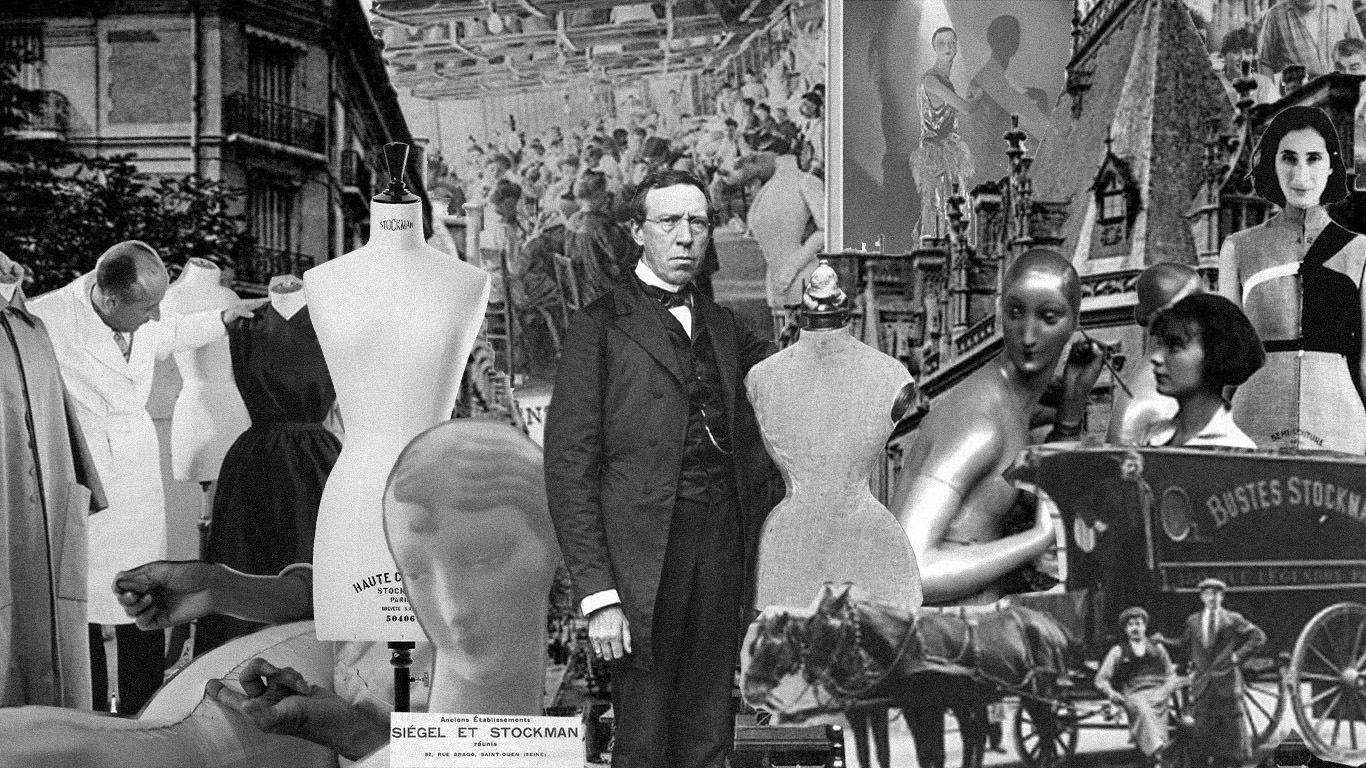
Since 1867, Stockman has stood at the heart of creation, quietly yet indispensably supporting generations of couturiers, tailors, and artisans.
Through the evolution of fashion and the passing of eras, our forms have remained faithful to a tradition of enduring craftsmanship. Luxury has never been a question of excess, but the refusal to settle for lower standards.
“Luxury has never been about excess. It has always been about the refusal to settle for lesser materials, for lesser methods, for lesser standards. That refusal is also what it means to be responsible.”
Materials
THE RESPONSIBILITY OF CHOICE
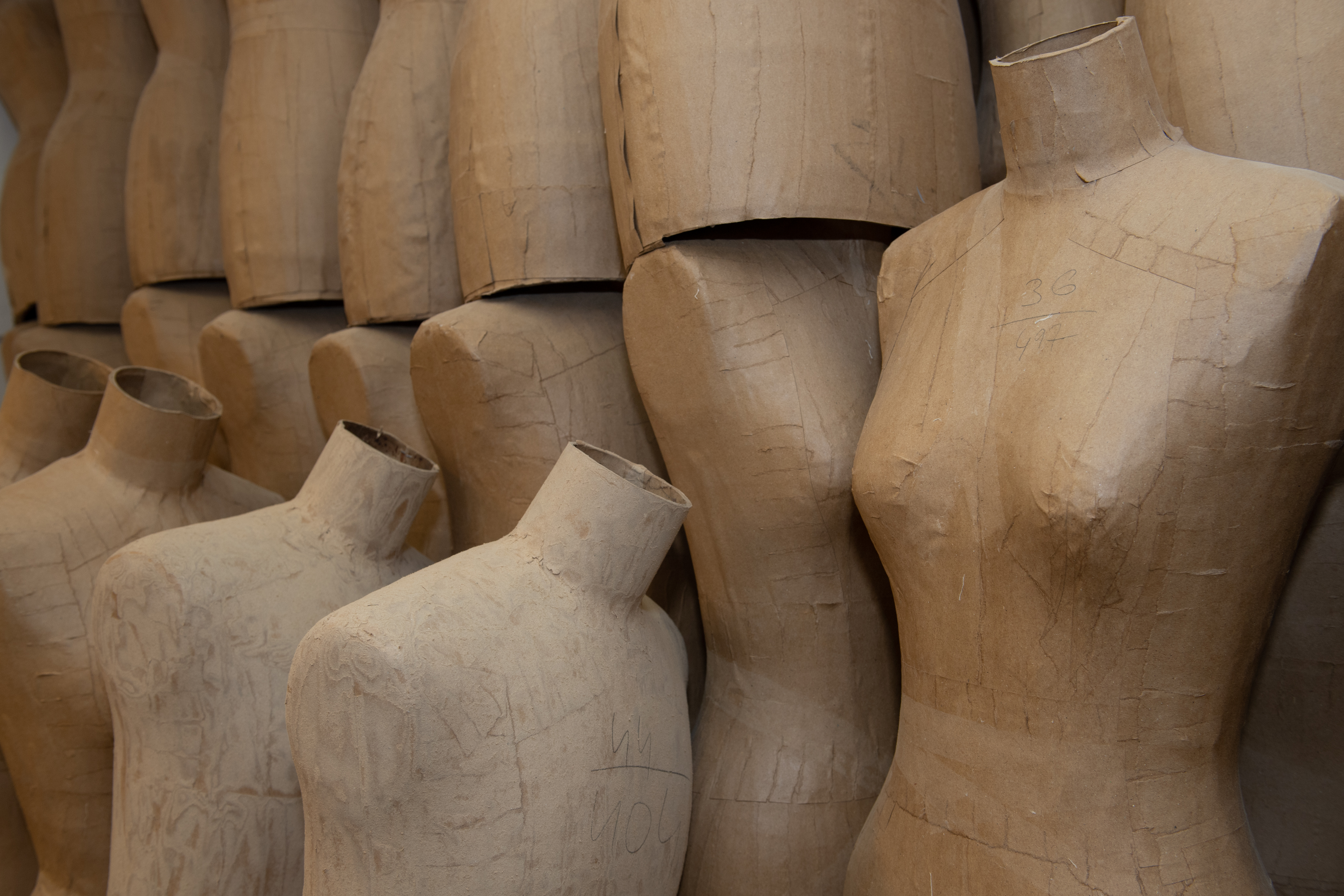
The body of a Stockman dress form is made from papier-mâché, entirely crafted from recycled paper. A material once overlooked finds its place again in the workshop. Here, it is embraced without distinction, with the same care as all others.
Rien ne se perd en qualité. Quelque chose de plus profond demeure.
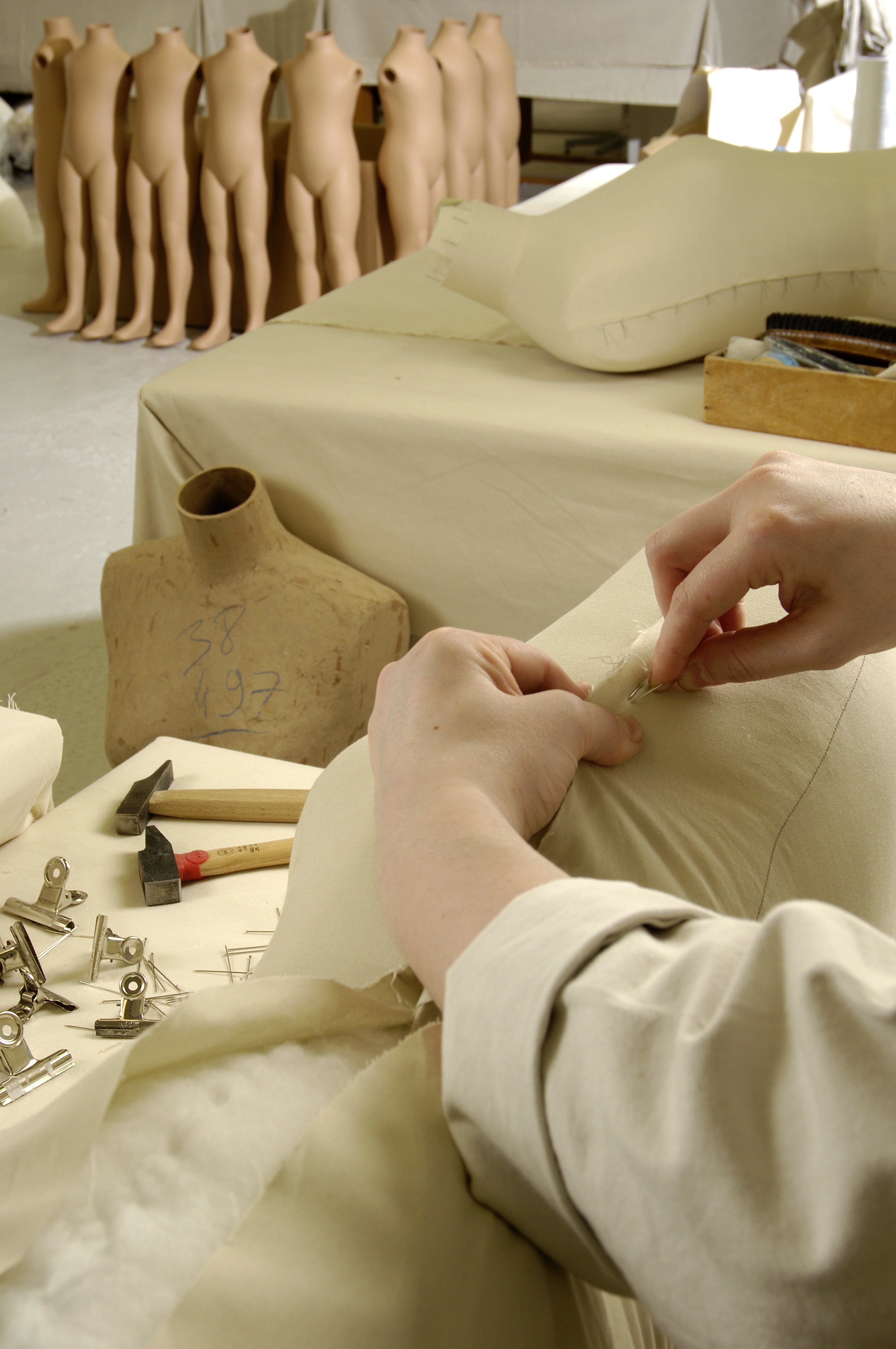
Each Stockman dress form is covered with organic cotton, cultivated with respect for the land and without the use of pesticides. What distinguishes this material lies in the intention behind its cultivation. Its nature remains unchanged: supple yet structured, responsive yet durable. It preserves the essential qualities that have always defined its value.
And this intention itself becomes part of its value.
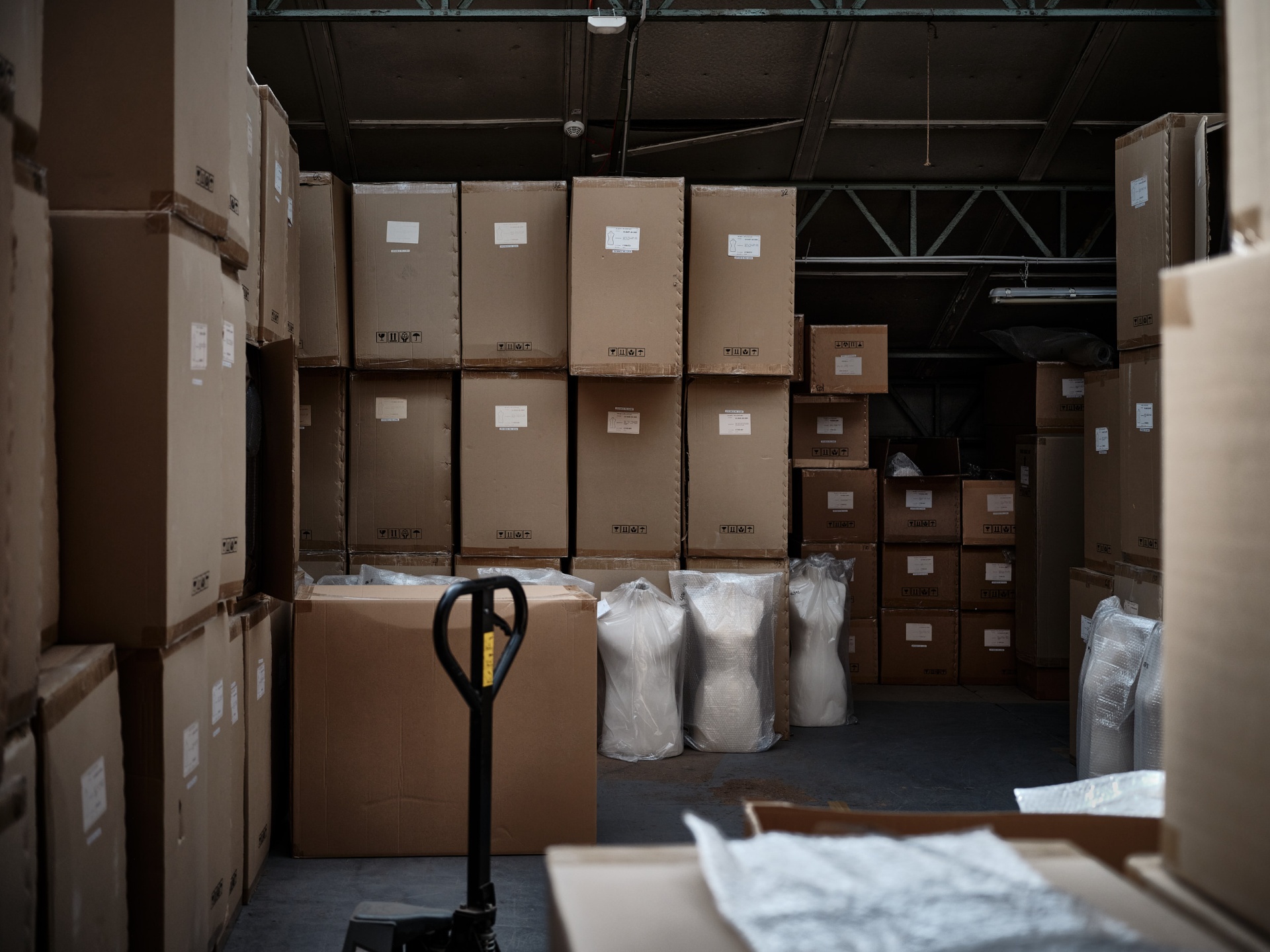
Even the cardboard that accompanies each delivery to our workshop is given a second life. It is shredded and then reused to protect the forms we ship to our clients.
A gesture whose importance reveals itself only with time.
Nothing wasted. Nothing overlooked.
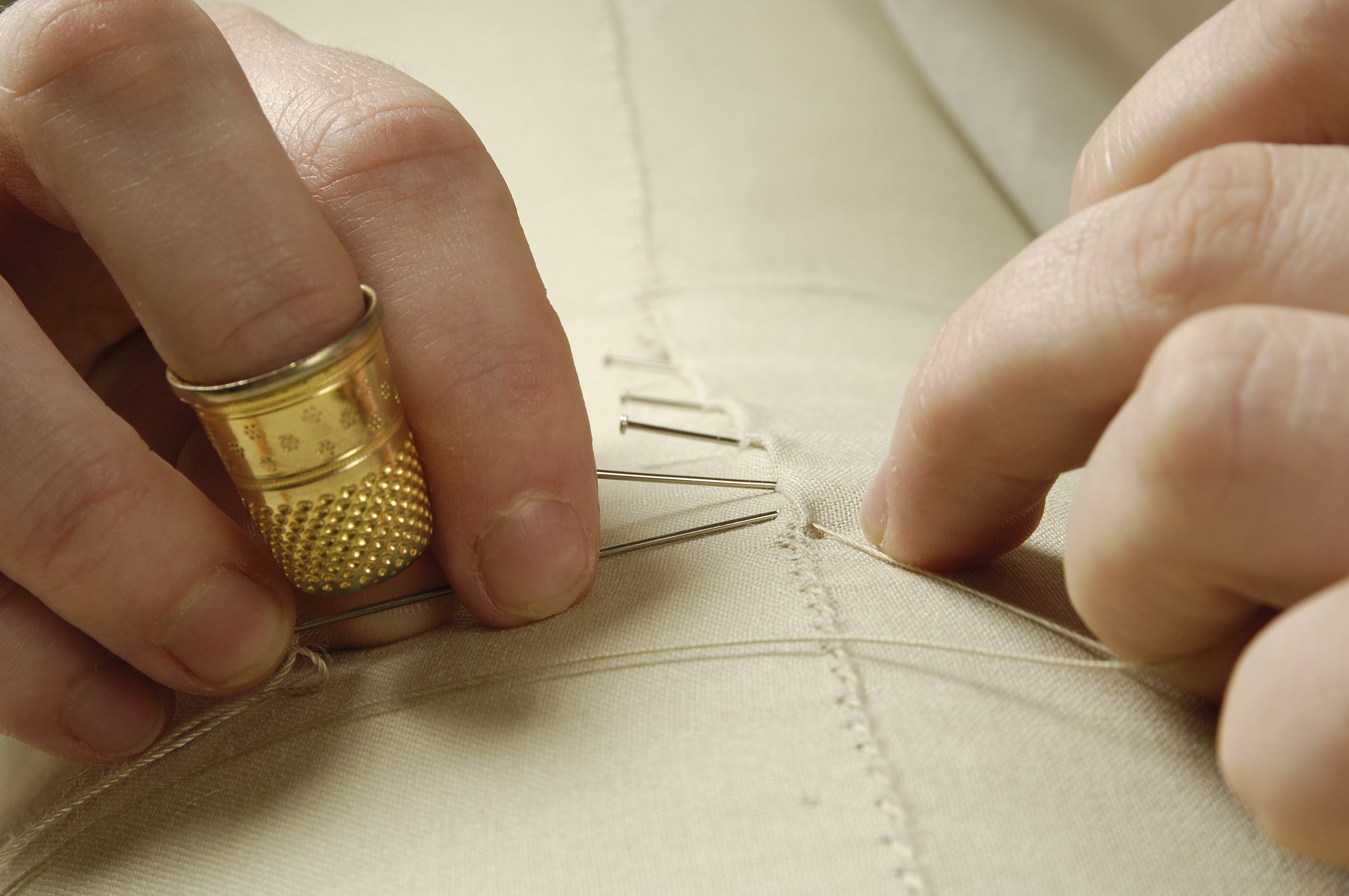
The atelier in Gennevilliers is guided by a simple discipline: everything is done by hand, and every material is treated with care from the first cut to the final form.
Offcuts of canvas, recycled metal, and recycled wood, the remains of a form being refined, are sorted to give them a new use. What leaves the atelier does not end its life. Recycled metal and wood continue beyond the atelier, transformed rather than discarded.
This is not a system designed for display. It is a way of working shaped by responsibility and refined through time.
When new ideas emerge from our clients, we engage with them fully. The conversation does not end with the object itself. It extends to how it is made and what it becomes part of once it leaves our hands.
We have never considered sustainability as something separate from craftsmanship. To work with care, to value what is lasting, and to respect the resources entrusted to us has always been part of the same philosophy.
“To make something well is to respect everything that makes it possible.”
CIRCULAR ECONOMY
Through partnerships with local associations and recycling channels, fabric offcuts, packaging materials, paints, and other workshop by-products are redirected toward new uses. Guided by the principles of a circular economy, we continually seek opportunities to extend the life of materials beyond their initial purpose.
RESPONSIBLE SOURCING
Our commitment extends throughout the supply chain. We favor local partners whenever possible, and materials capable of meeting the standards required of a Stockman form while supporting a more sustainable approach to production.
SHARED COMMITMENT
These efforts are carried forward in collaboration with our teams, suppliers, and partners, ensuring that environmental and social considerations remain part of the decisions that shape our business.
“A commitment measured not only by what we create, but by the choices that support its creation.”
LOOKING AHEAD
THE STANDARD
WE CONTINUE TO RAISE.
We continue to look closely at every aspect of how our forms are made and how they travel through the world.
We seek materials that offer a more considered origin, incorporating greater recycled and bio-sourced content wherever they can meet the standards of precision, durability, and craftsmanship that define a Stockman form.
This commitment extends beyond our workshop. It is shared with our teams, our suppliers, and the partners with whom we work, shaping decisions both large and small.
“Not as an initiative, but as a way of working.”
For generations, Stockman forms have stood in the ateliers of some of the world’s most respected fashion houses. Attention to detail. Attention to materials. Attention to the countless decisions that shape an object long before it reaches the hands of its user.
As expectations evolve, so too does the meaning of excellence. Today, it encompasses not only what is made, but how it is made. It is an evolution we embrace, naturally and without compromise.